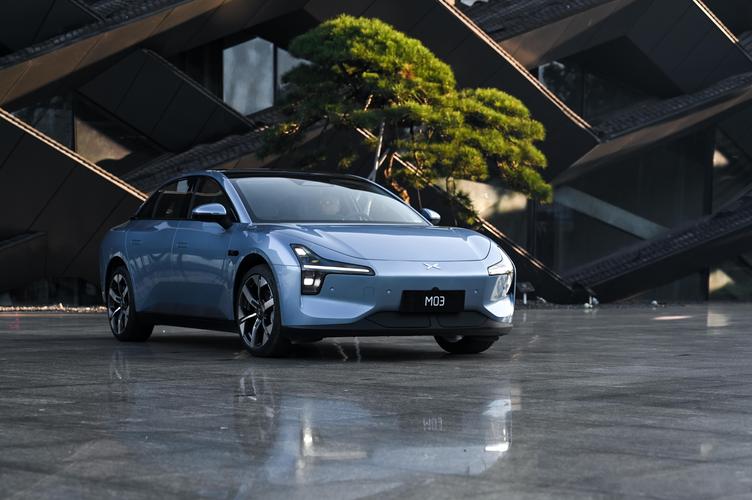
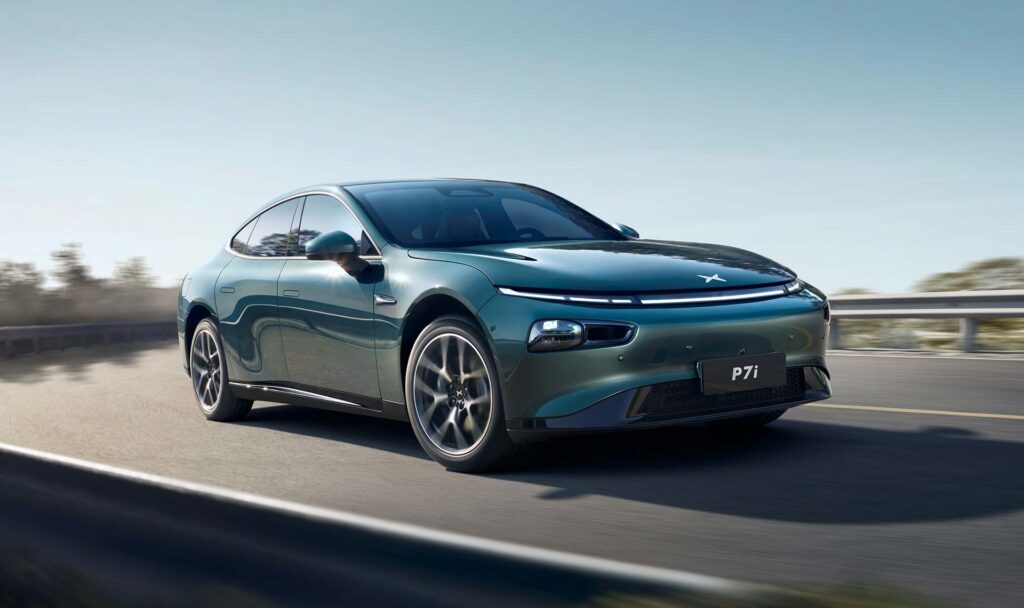
XPeng Motors, one of China’s fastest-growing electric vehicle manufacturers, is accelerating its global expansion by planning localized production in Malaysia. The company is currently in talks with Malaysian automotive supplier EP Manufacturing Bhd (EPMB) to launch Complete Knock-Down (CKD) assembly operations from 2026. This move positions Malaysia as a strategic manufacturing hub for XPeng, enabling access to right-hand-drive ASEAN markets while reducing exposure to tariffs, logistics costs, and intensifying price competition in China and Europe.
The proposed collaboration would see XPeng import vehicle components and conduct local assembly using EPMB’s existing facilities. CKD production allows automakers to significantly lower import duties while benefiting from local incentives, making it a preferred strategy for Chinese EV brands entering Southeast Asia.
Who Is EP Manufacturing Bhd (EPMB)?
EPMB is a Malaysia-based automotive components manufacturer with extensive experience supplying plastic modules, aluminum structures, and body components to regional automakers. In recent years, the company has pivoted aggressively toward the electric vehicle supply chain to meet rising regional demand.
EPMB has expanded its annual vehicle-related production capacity from 6,000 units to approximately 30,000 units following the commissioning of its second manufacturing facility. A third plant is scheduled to begin operations in 2026—perfectly aligned with XPeng’s proposed local assembly timeline—making EPMB a ready-made partner for EV localization.
Why Malaysia Is Strategically Important for XPeng
Malaysia’s EV policy environment is undergoing a major transition. The government’s tax exemption for fully built-up (CBU) electric vehicles is set to expire at the end of 2025, with authorities signaling no extension. Once the exemption ends, imported EVs will face higher prices due to import duties and taxes.
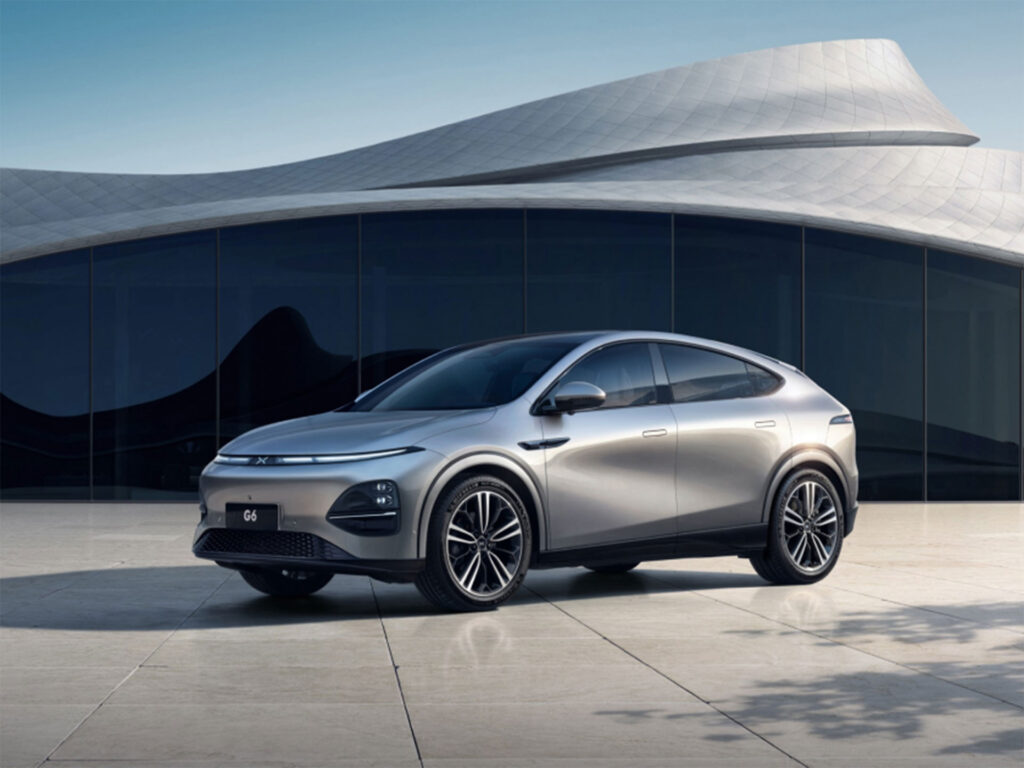
This policy shift has prompted Chinese EV brands to move quickly toward local assembly. Datuk Francis Lee, CEO of Bermaz Auto Group, highlighted this trend during the launch of XPeng’s G6 facelift, noting that CKD production is becoming essential to maintain competitive pricing.
For XPeng, Malaysian assembly offers multiple advantages:
- Avoidance of rising import tariffs
- Lower logistics and supply chain costs
- Faster delivery to ASEAN markets
- Better adaptation to right-hand-drive demand
XPeng’s Accelerated Global Localization Strategy
The Malaysia initiative would mark XPeng’s third overseas production base, reinforcing its shift from export-led growth to localized manufacturing.
Key milestones include:
- Indonesia (July 2025): XPeng began assembling the X9, its first overseas production site
- Austria (September 2025): Partnership with Magna to manufacture G6 and G9 models at the Graz plant, designed to bypass EU tariffs
- Malaysia (Planned 2026): CKD assembly for ASEAN and right-hand-drive markets
XPeng reported global vehicle sales of 391,937 units in the first 11 months of 2025, representing 156% year-on-year growth. Overseas deliveries nearly doubled to 39,773 units, underscoring the growing importance of international markets.
Malaysia’s Growing Role in Southeast Asia’s EV Ecosystem
Malaysia is steadily emerging as a regional EV manufacturing hub, following the early momentum established by Thailand and Indonesia. Several Chinese automakers are deepening their presence:
- BYD: Announced an EV assembly plant in Perak (August 2025)
- Leapmotor: Planning CKD production at Stellantis’ Gurun facility in Kedah
- XPeng: Negotiating CKD production with EPMB
These investments reflect Southeast Asia’s growing importance as both a consumption market and a production base for electric vehicles.
XPeng’s potential CKD partnership with EPMB highlights a broader shift among Chinese electric vehicle manufacturers toward localized global production. By establishing assembly operations in Malaysia, XPeng can strengthen its presence in ASEAN, reduce tariff exposure, and improve supply chain efficiency in an increasingly competitive global EV market. As Malaysia continues to attract major EV investments, collaborations like this not only support XPeng’s international ambitions but also reinforce the country’s position as a rising electric vehicle manufacturing hub in Southeast Asia.