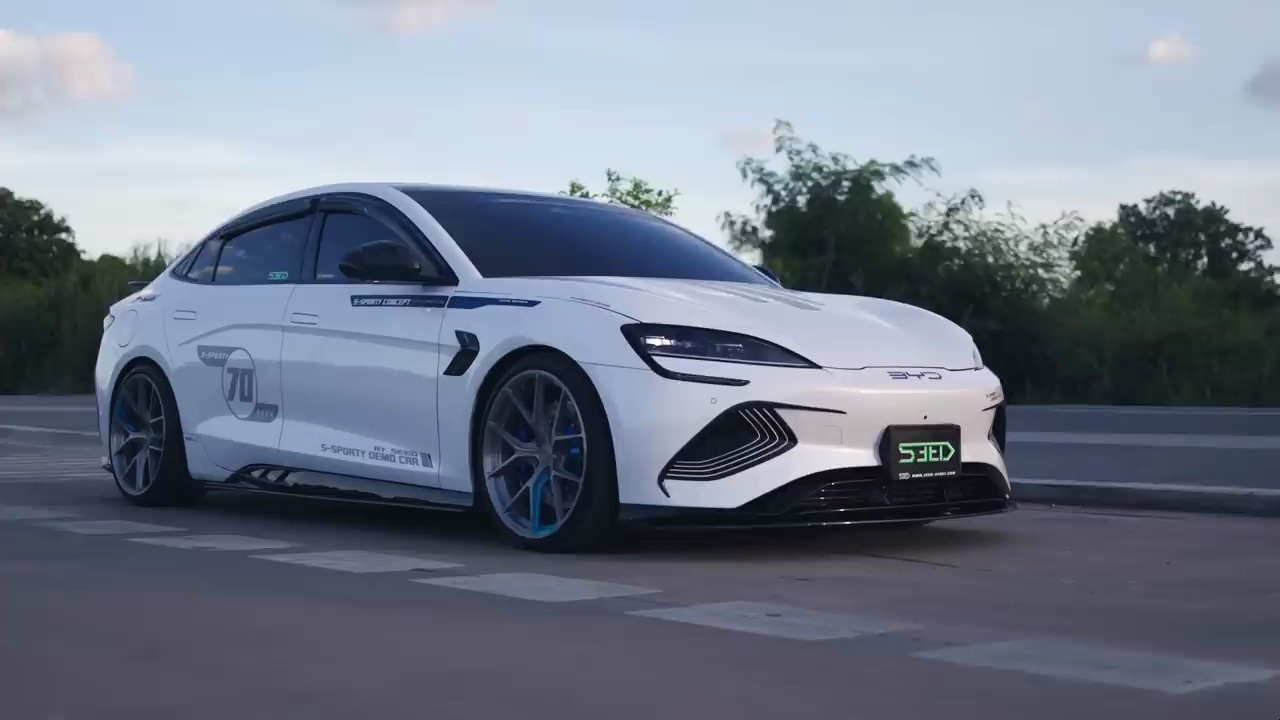
As BYD continues its rapid global expansion, many buyers are asking a simple but important question: is the BYD Seal worth buying in 2026? Positioned as a sporty mid-size electric sedan competing with models like the Tesla Model 3, the BYD Seal combines advanced battery technology, strong performance figures, and aggressive pricing. This in-depth guide examines its real-world range, safety performance, intelligent features, and ownership value to help you decide whether the BYD Seal is the right electric vehicle for your needs.
I. Concept Breakdown: Core Positioning and Product Strengths of the BYD Seal
The BYD Seal is a pure-electric mid-size coupe under BYD’s Ocean Network, built on the advanced e-Platform 3.0 and aimed at younger, performance-oriented buyers.
Technical Architecture
The Seal uses CTB (Cell-to-Body) technology, integrating the Blade Battery directly into the vehicle structure. This delivers:
- 41,000 N·m/deg torsional stiffness, outperforming the Tesla Model 3 in moose test results (82 km/h)
- 58% reduction in battery deformation during side pillar impact tests
Performance
- RWD and AWD configurations
- AWD version: 390 kW power, 670 N·m torque
- 0–100 km/h in 3.8 seconds
- Supported by iTAC Intelligent Torque Control, adjusting torque distribution 50 ms in advance for stability
Smart Driving Configuration
Depending on trim, the Seal offers:
- Tian Shen Eye B (LiDAR Edition): 128-line LiDAR + 5 mmWave radars + 11 cameras
- Tian Shen Eye C (Triple-Camera Edition): BEV bird’s-eye view + occupancy network algorithm
Both support Level 2+ advanced driver assistance.
II. Core Consumer Questions Answered
Q1: Is the BYD Seal’s range overstated in real-world driving?
Under real-world conditions:
- Winter temperatures (-10°C): ~25% range reduction
- Highway driving (120 km/h): ~30% reduction under CLTC standards
However, the 800V SiC electric drive system (23,000 rpm motor) and AI energy management significantly improve efficiency. For example, the Seal 06 DM-i achieves:
- WLTC fuel consumption: 2.9 L/100 km
- Combined range: up to 2,100 km
Q2: How safe is the BYD Seal?
The CTB structure passed rigorous dual-side pillar impact tests:
- Two consecutive 32 km/h impacts against a 254 mm rigid pillar
- Structural deformation limited to 183 mm (vs ~300 mm in traditional ICE vehicles)
Standard safety features include:
- 6 airbags
- Pretensioner seatbelts
- Door opening warning system using 4D millimeter-wave radar (360° coverage)
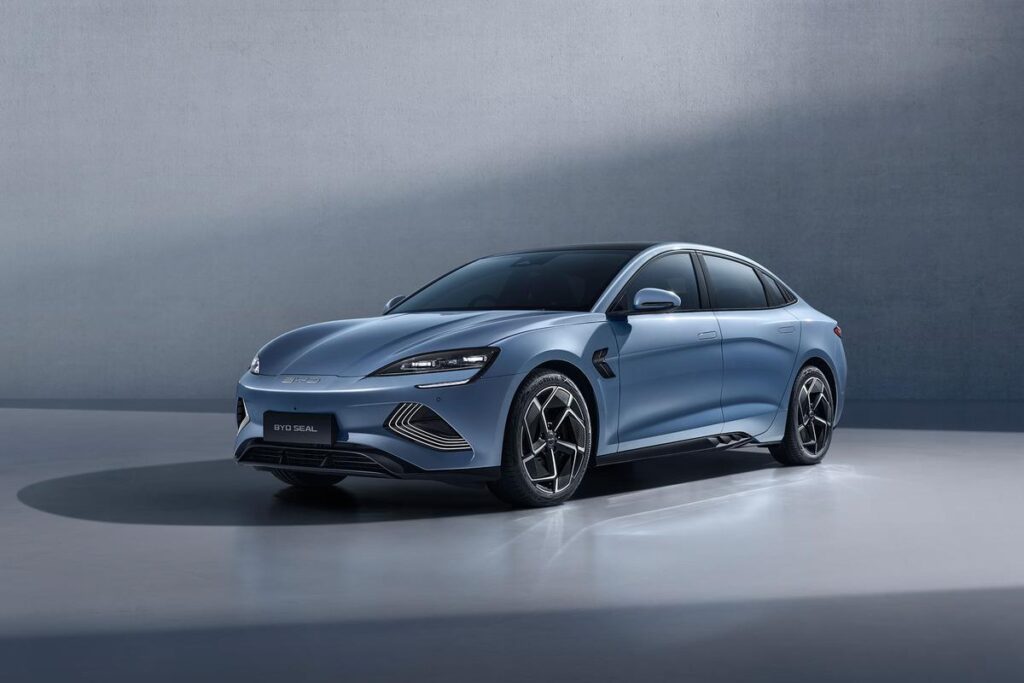
III. Four Core Reasons to Buy the BYD Seal
1. Next-Generation Technology
- e-Platform 3.0 eight-in-one electric drive
- CTB battery integration
- iTAC torque control
Example: Seal 07 EV motor power density reaches 6.8 kW/kg (industry average: 4.5 kW/kg).
2. All-Scenario Usability
- Seal 06 DM-i: 2,100 km combined range
- Seal 07 EV: 18-minute fast charging (30–80%)
Suitable for daily commuting, long-distance travel, and extreme climates.
3. Intelligent Features Leadership
- AR-HUD brightness: 12,000 nits
- Four-zone voice recognition accuracy: 92%
- DiPilot100 system with 96% lane-change success rate in urban testing
4. Strong Cost-to-Value Ratio
Seal 06 DM-i:
- Starting price: ¥99,800
- Estimated cost per kilometer: ¥0.14
- Eligible for purchase tax exemption
IV. Practical Buying and Ownership Guide
Model Selection
- Pure EV buyers: 700 km Long Range Edition or Seal 07 EV (LiDAR)
- Hybrid buyers: Seal 06 DM-i or Seal 05 DM-i
Configuration Choices
- Base trims: 6 airbags, DiLink 4.0, dual-screen layout
- High trims: Dynaudio audio, HUD, automated parking, heat pump HVAC
Purchase Channels
- Online: BYD official website/app
- Offline: Ocean Network dealerships offering charging installation and maintenance packages
Vehicle Inspection Tips
- Check battery, motor, and electronic control systems
- Test fast charging (30–80%)
- Verify VIN and subsidy eligibility
V. Real-World User Feedback and Market Validation
Family User (Beijing):
Monthly commuting costs dropped from RMB 1,200 to RMB 300 using a Seal 06 DM-i, with added outdoor power usage for camping.
Performance Enthusiast (Shanghai):
AWD Performance Edition achieved 1:58.7 lap time at Zhejiang International Circuit (stock configuration).
Global Recognition:
In Europe, priced at €50,990, the BYD Seal earned:
- TÜV five-star safety rating
- Top-three ranking in Norway’s EV customer satisfaction survey
So, is the BYD Seal worth buying? For drivers seeking a combination of cutting-edge electric technology, strong performance, solid real-world range, and long-term cost efficiency, the answer is yes. The BYD Seal delivers a rare balance of performance, intelligence, and affordability that rivals both traditional gasoline sedans and premium electric competitors. If your priority is advanced EV technology with strong value for money in 2025, the BYD Seal is clearly a model worth serious consideration.
Thanks , I’ve just been looking for information about this topic for ages and yours is the best I have discovered so far. But, what about the conclusion? Are you sure about the source?