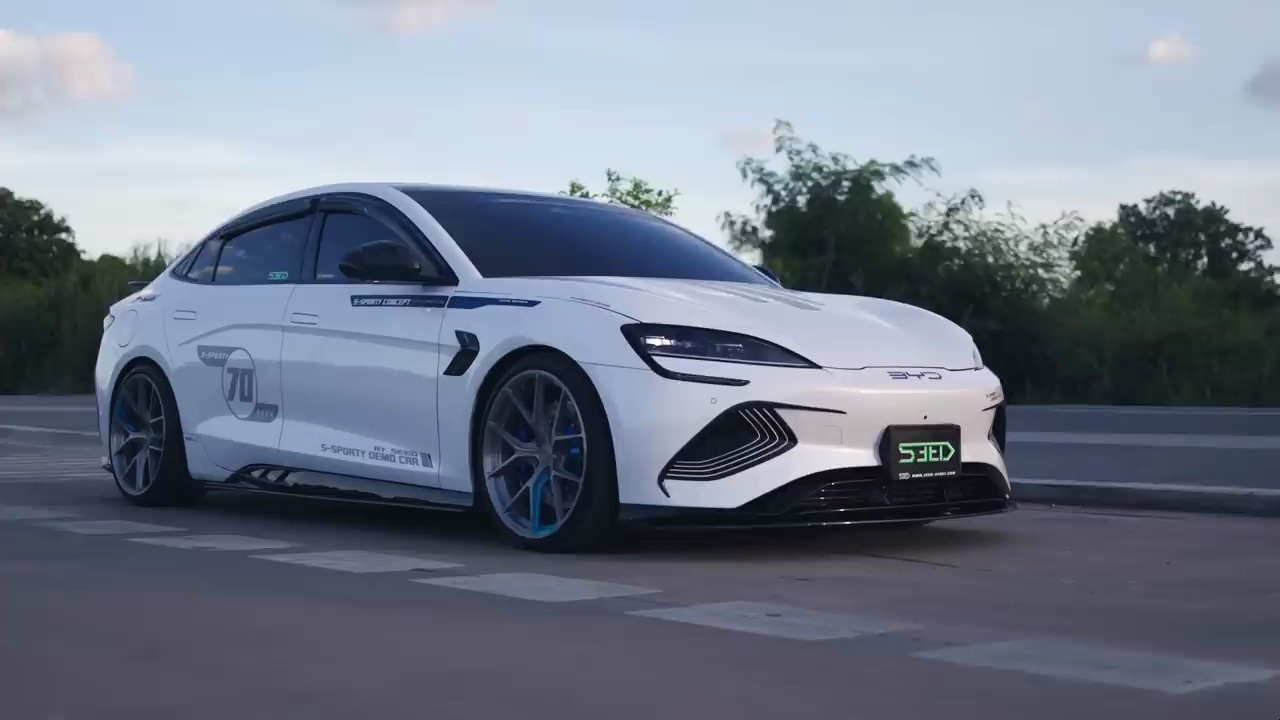
Considering importing a BYD Seal from China to the United States?
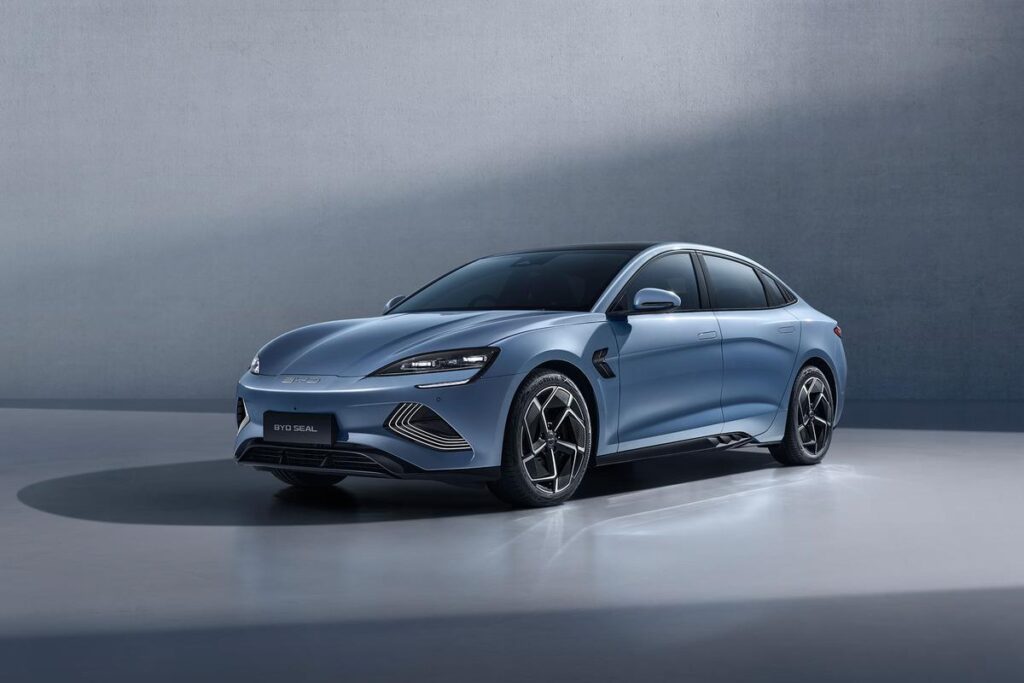
This detailed guide breaks down every cost involved—including the vehicle price, shipping fees, U.S. import tariffs, compliance upgrades, taxes, and hidden charges—so American buyers can understand the true total cost before making a decision. The BYD Seal has gained global attention for its design, performance, and value, but importing one to the U.S. is more complex than simply paying the sticker price. Below is a clear and accurate cost breakdown to help you plan effectively.
1. Base Vehicle Cost
The BYD Seal’s pricing varies by region and configuration.
- In China, the 2025 Seal DM-i hybrid sedan starts at $13,600 (1–9 units wholesale).
- Pure electric versions range from $31,108 (after subsidies) to $42,525 for top trims (700km CLTC).
Export models, however, generally cost more due to certification and configuration differences.
- In Mexico, the Seal RWD starts at $44,800
- The AWD variant reaches $52,000
For U.S. buyers, import pricing typically aligns with these export prices before tariffs and logistics.
2. Shipping and Logistics
Shipping a vehicle from China to the U.S. typically costs about $2,750, plus:
- MPF (Merchandise Processing Fee): 0.3464% (min $33)
- HMF (Harbor Maintenance Fee): 0.125%
- Port Destination Charges: varies by port
For a $45,000 vehicle, these add up to $200–$300, making total logistics about $3,000–$3,500.
3. Import Tariffs and Taxes
Due to current U.S.–China trade policies, tariffs are the biggest cost factor:
- 100% Section 301 tariff on Chinese EVs
- 2.5% passenger vehicle tariff
- Up to 25% global automotive tariff (case-dependent)
For a $45,000 BYD Seal, tariffs alone can add another $45,000–$56,000, pushing the pre-registration price into:
$90,000–$101,000
4. Compliance Modifications
To legally enter the U.S. market, vehicles must meet EPA and DOT requirements:
- EPA/CARB emissions compliance
- DOT-required lighting, mirrors, metric-to-mph speedometer
- Safety certifications
- Validation of China’s 3C certification
These upgrades typically cost $5,000–$10,000, depending on the model.
Related Questions
Q: Can I get an EV tax credit?
No. U.S. federal EV tax credits apply only to vehicles assembled in North America.
Q: Can I avoid tariffs by importing through Mexico or Canada?
No. U.S. law uses manufacturing origin, not routing.
Q: Is a used BYD Seal cheaper to import?
Not significantly—used vehicles face the same tariffs and compliance costs.
Benefits of Importing a BYD Seal
Despite the high total cost, some buyers still consider importing because of:
- Advanced technology (Blade Battery, e-Platform 3.0)
- Long range (550–700km)
- Strong value before tariffs
- Exclusivity — BYD does not sell EVs in the U.S. yet
How to Import a BYD Seal: Step-by-Step
- Verify EPA, DOT, and state-level compliance requirements
- Prepare financing and budget for the full landed cost
- Hire a licensed U.S. importer or broker
- Book shipping through a reliable freight forwarder
- Complete U.S. customs clearance
- Register the vehicle at your state DMV
Real-World Import Example
John, from California, imports a $45,000 BYD Seal AWD:
| Cost Component | Amount |
|---|---|
| Vehicle Price | $45,000 |
| Shipping + Port Fees | $3,500 |
| Tariffs | $56,000 |
| Compliance | $8,000 |
| Total | $112,500 |
This is significantly higher than domestically available EV options such as the Tesla Model 3.
Conclusion
Importing a BYD Seal from China to the U.S. can easily push the total cost above $100,000, primarily due to the 100% tariff on Chinese-made EVs and required compliance modifications. While this process is expensive, the Seal remains appealing to EV enthusiasts who value cutting-edge technology, long range, and exclusivity. As BYD continues expanding globally, future North American production could dramatically reduce these costs. Until then, importing a BYD Seal is best suited for buyers willing to invest a premium to own one of China’s most advanced electric vehicles.


One thought on “How Much Does It Cost to Import a BYD Seal from China to the U.S.? Full Cost Breakdown for American Buyers”