For drivers wondering how to buy BYD in USA, the process can seem complex due to import rules, dealership availability, and federal regulations. Yet BYD has become an attractive choice for American consumers seeking affordable and high-performance electric vehicles (EVs). Despite ongoing trade barriers and market restrictions, the Chinese automaker’s combination of competitive pricing and advanced technology continues to draw attention. This guide explains the key steps for purchasing a BYD in the United States, tailored to U.S. buying habits and regulatory requirements.
Step 1: Research BYD Models and Local Availability
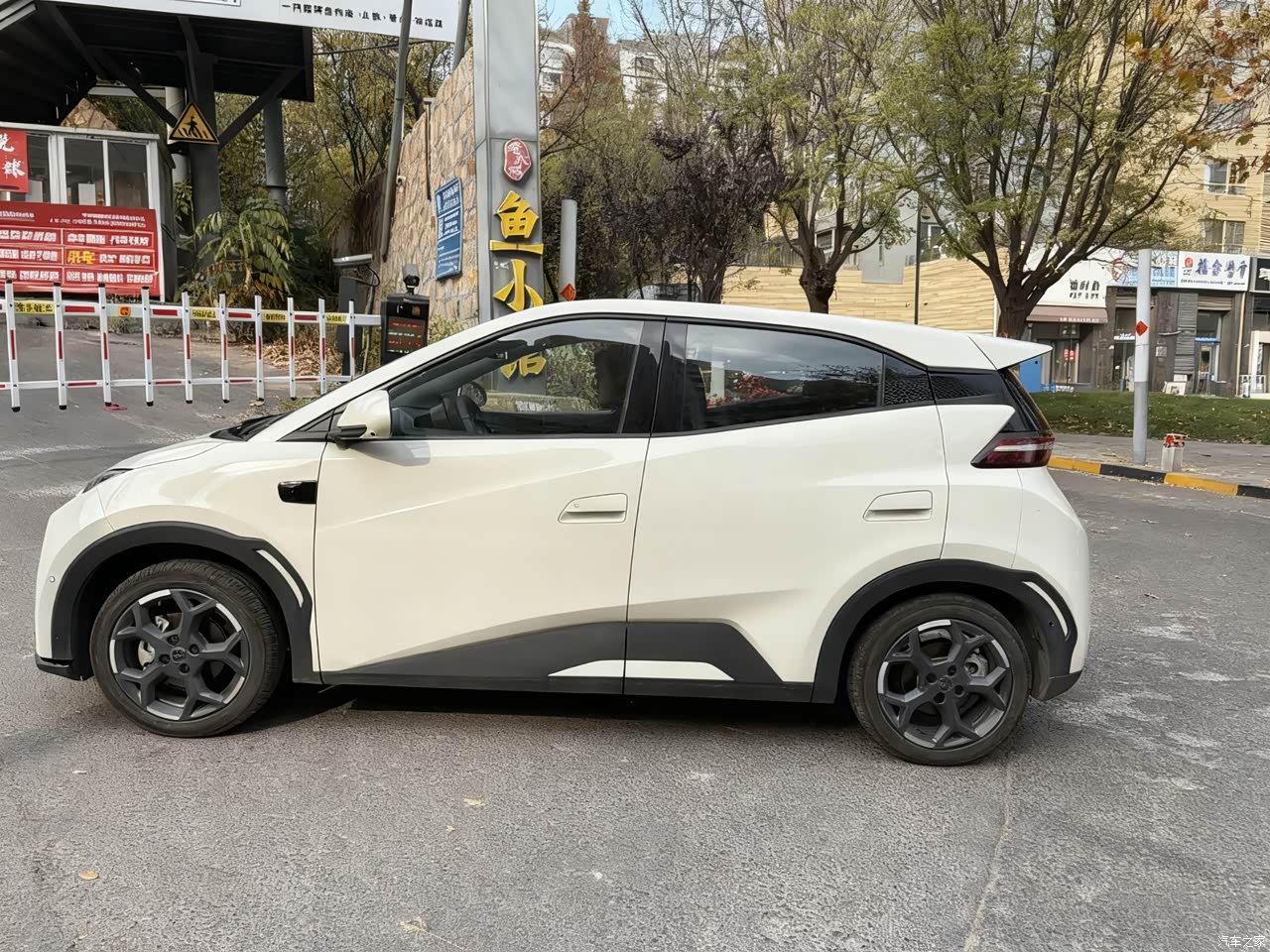
BYD’s U.S. lineup currently focuses on budget-friendly EVs with competitive pricing. The BYD Seagull, priced at approximately 10,183∗∗inChina(aftersubsidies),highlightsthebrand′scostefficiency—nearly∗∗10,000 cheaper than America’s most affordable EV, the Chevrolet Bolt (post-tax credit). However, availability varies by state due to import regulations and dealership networks.
Start by visiting BYD’s U.S. website or authorized dealers to confirm model availability. For example, California and Texas have higher EV adoption rates and may offer more options. Use tools like Edmunds or Kelley Blue Book (KBB) to compare BYD’s pricing against rivals like Tesla, Nissan Leaf, or Mini Cooper SE. Note that BYD’s U.S. pricing may differ significantly from Chinese markets due to tariffs and logistics costs.

Step 2: Choose Between Dealership and Private Purchase
American buyers have two primary routes:
- Authorized Dealerships:
BYD partners with select U.S. dealers to offer certified pre-owned (CPO) vehicles and new models. Dealerships handle paperwork, including title transfers and DMV registration, which is ideal for first-time buyers. Ask for a free CARFAX report to verify the vehicle’s history, including accident records and maintenance logs. - Private Sellers:
Platforms like Cars.com, CarMax, or Craigslist may list used BYD EVs at lower prices. However, private transactions require greater diligence:- Request the Vehicle Identification Number (VIN) to check CARFAX independently.
- Schedule a test drive to inspect brakes, infotainment systems, and battery health.
- Hire a third-party mechanic for a pre-purchase inspection (costing 150–300).
Pro Tip: Avoid weekend purchases, as dealerships are busiest then, reducing negotiation leverage.
Step 3: Secure Financing and Insurance
BYD’s affordability makes it attractive for budget-conscious buyers, but financing terms vary:
- Dealer Financing: Many dealers offer zero-interest loans for qualified buyers, though rates may rise for used models.
- Bank Loans: Compare rates from local banks or credit unions, which often undercut dealer offers.
- Cash Purchases: Eliminate interest but require upfront liquidity.
Insurance Requirements:
All states mandate liability insurance before registration. Use tools like Geico or Progressive to compare quotes. BYD’s lower repair costs (compared to luxury EVs) may reduce premiums.
Documentation Checklist:
- Valid driver’s license or passport.
- Social Security Number (SSN) or Tax Identification Number (TIN).
- Proof of residency (utility bill or lease agreement).
- For non-citizens: Visa or green card.
Step 4: Complete the Purchase and Registration
Dealership Purchases:
- Negotiate the Price: Use KBB’s “Fair Purchase Price” as a baseline. Politely highlight any flaws (e.g., scratches) to lower the offer.
- Review the Contract: Ensure it lists the VIN, purchase price, taxes, and fees. Reject contracts with hidden charges (e.g., “documentation fees” exceeding $500).
- Temporary License: The dealer will issue a 30-day permit.
- Permanent Registration: The DMV will mail the title and license plates within 1–3 weeks.
Private Purchases:
- Draft a Bill of Sale: Include buyer/seller details, VIN, and purchase price. Use templates from DMV.org.
- Pay Securely: Use a cashier’s check or wire transfer to avoid fraud.
- Transfer Title: Submit the signed title, bill of sale, and odometer disclosure to your local DMV.
Final Check: Verify the vehicle meets U.S. safety and emissions standards. BYD complies with Federal Motor Vehicle Safety Standards (FMVSS), but imported models may require modifications.
Conclusion: Navigating Challenges and Opportunities
While BYD offers unbeatable pricing, U.S. consumers face hurdles like limited dealership networks and import tariffs. However, the brand’s expanding CPO program and growing EV infrastructure make it a viable choice. By following this guide—researching models, choosing the right purchase channel, securing financing, and completing registration—American buyers can unlock significant savings without compromising quality.
As BYD challenges Tesla’s dominance in global markets, U.S. consumers stand to benefit from increased competition. Whether you prioritize affordability, sustainability, or cutting-edge tech, BYD’s EVs deserve a spot on your shortlist.