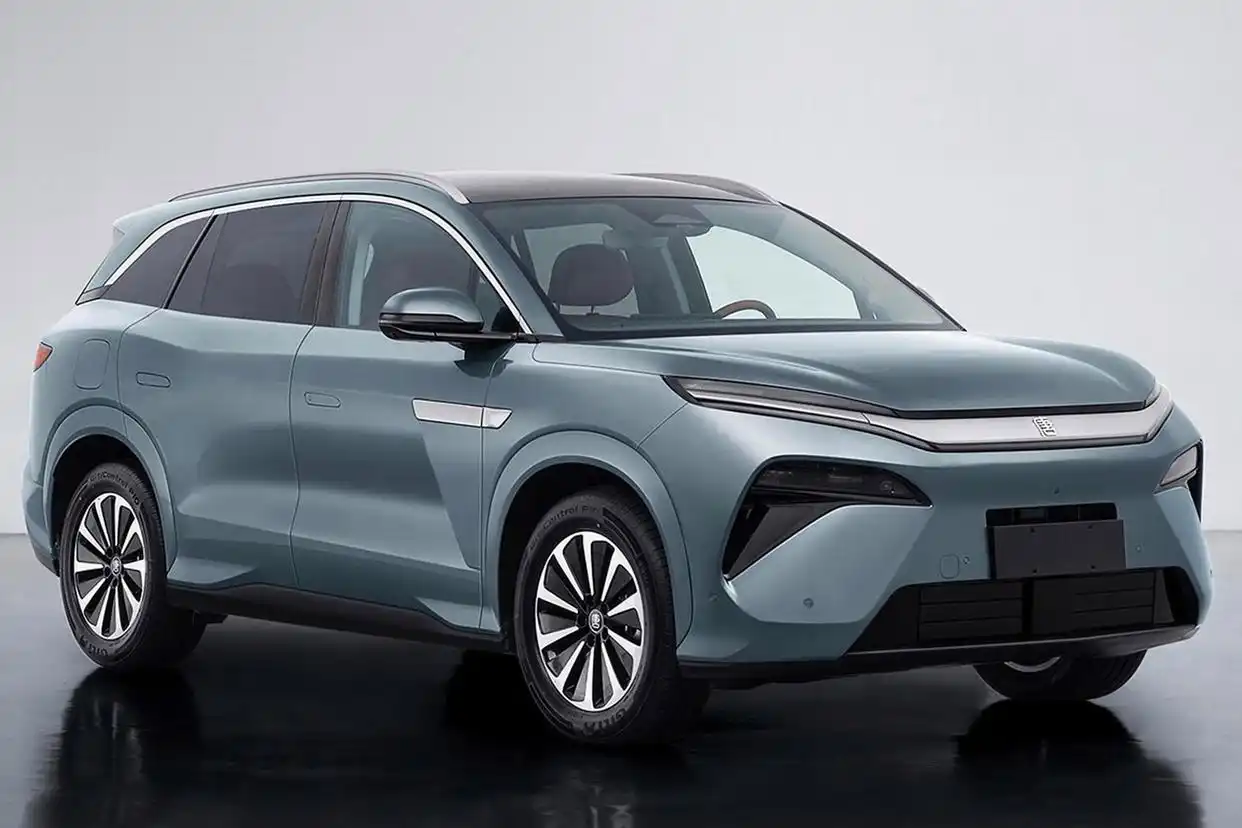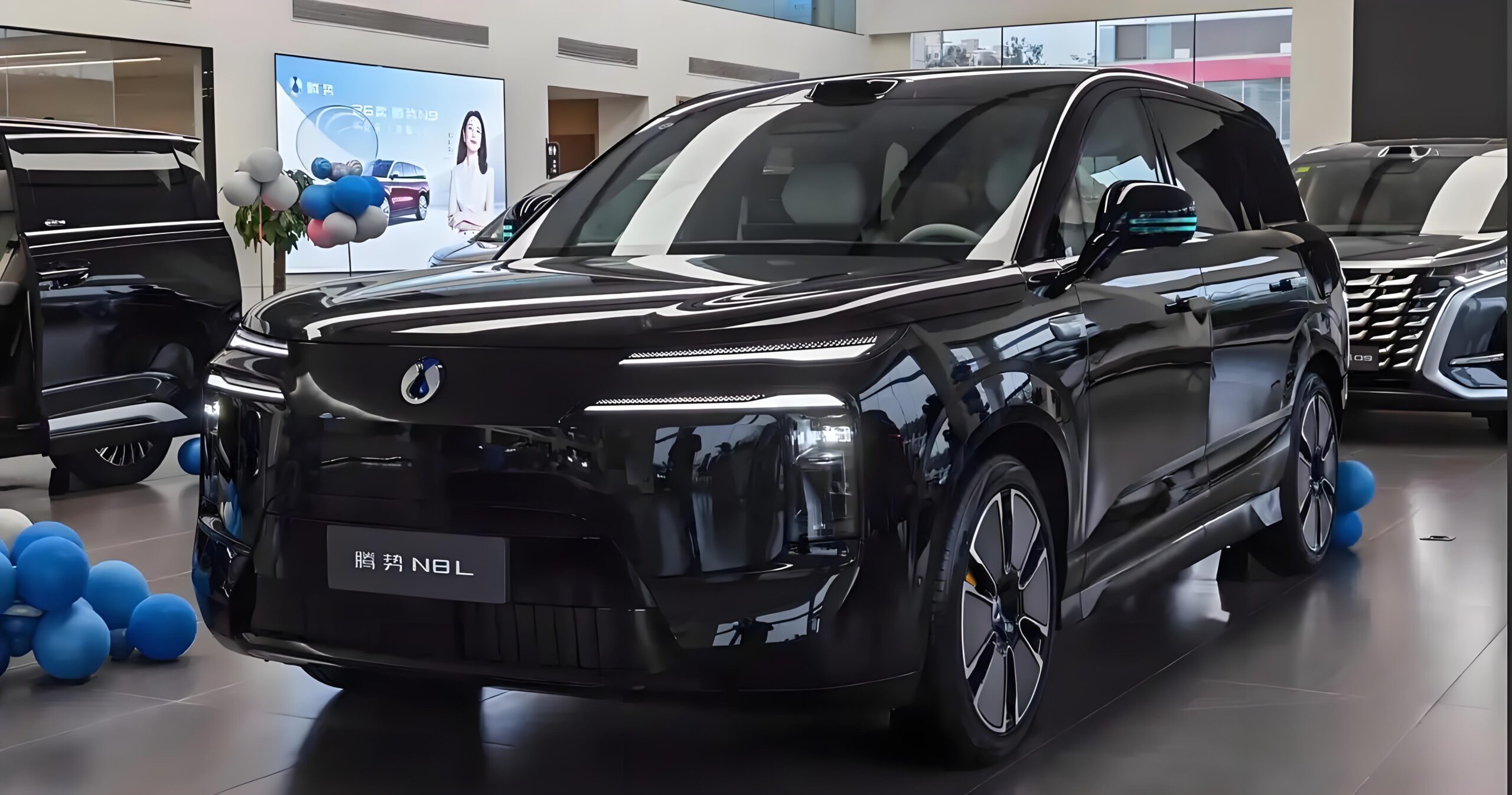
Buying a car in China as an American can feel complex due to different regulations, documentation requirements, and market practices. However, with proper preparation, the process is straightforward and highly manageable. This guide explains how to buy a car in China as an American, covering eligibility rules, required documents, purchasing strategies, and registration procedures—while comparing key differences between the Chinese and U.S. systems. Whether you plan to stay short-term or long-term, understanding these steps will help you navigate China’s fast-growing automotive market with confidence.
1. Verify Your Eligibility to Purchase and Register a Vehicle
Unlike the U.S., where residency status rarely affects car ownership, China has specific requirements for foreign buyers. You must hold a valid passport and a residence permit or long-term visa—usually with at least six months to one year of remaining validity, depending on the city.
Different cities have different rules:
- Beijing requires foreigners to show proof of continuous five-year tax payments and social security records to qualify for the license-plate lottery.
- Shanghai uses a plate-auction system where winning bids can exceed USD $14,000 due to limited supply.
- Guangzhou provides special exemptions for certain hybrid vehicles, allowing foreigners to obtain plates without participating in a lottery or auction.
Key Tip: Always check your city’s latest regulations. Requirements can vary significantly, and dealerships or local vehicle management bureaus can confirm eligibility.
2. Prepare All Required Documentation
China’s documentation standards are strict, and missing a single document may delay the process. Prepare the following:
- Passport & Visa with valid entry stamps
- Local Residency Registration Form from your neighborhood police station
- Tax Records or Employer Certificate showing recent income and taxes
- Driver’s License
- U.S. licenses must be converted to a Chinese license
- Conversion requires a written test (English versions available)
- Some cities waive the road test depending on nationality
- Name Translation Notarization (公证)
Your English name must be officially translated into Chinese characters and notarized for all legal documents.
Pro Tip: Many 4S dealerships offer translation, notarization, and licensing assistance. Using these services helps avoid paperwork errors.

3. Navigate the Purchasing Process: New vs. Used Vehicles
Buying a New Car
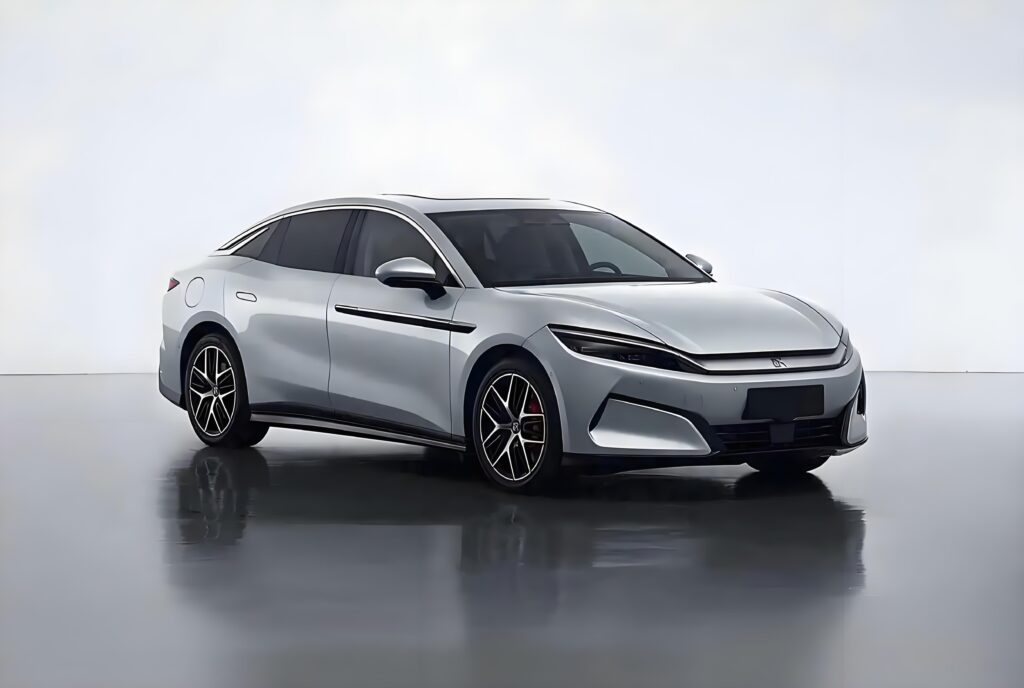
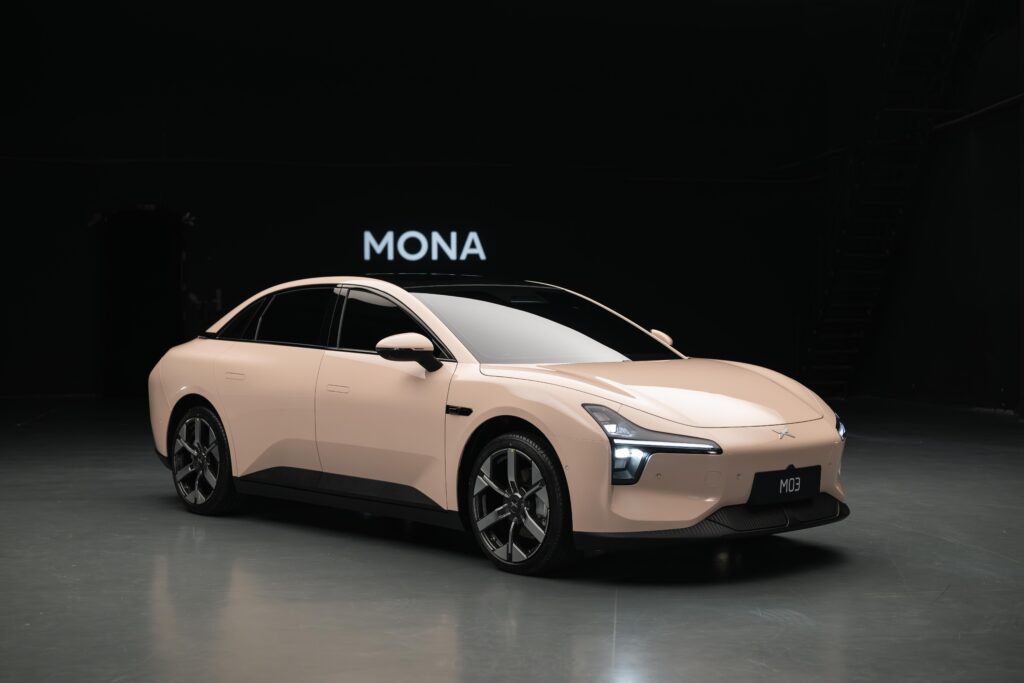
China’s new-car market includes top domestic EV brands such as BYD, NIO, Geely, as well as international brands like Tesla, Volkswagen, and Toyota.
- Pricing: Similar to U.S. prices, but import models may cost more due to tariffs.
- Example: A Tesla Model 3 may cost USD $45,000 in China vs. USD $40,000 in the U.S.
- Negotiation: Fixed pricing is common, but negotiating add-ons is effective (floor mats, extended warranties, insurance bundles, etc.).
- Financing: Foreigners can obtain auto loans. Requirements include:
- Employment contract
- Bank statements
- Chinese credit history
Interest rates typically range 4–6% APR, slightly higher than U.S. averages.
Buying a Used Car
China’s used-car market is less regulated and carries higher risks:
- Odometer tampering is more common
- Accident histories may be hidden
- Vehicle scarcity keeps prices 10–20% higher than U.S. equivalents
Always request a third-party inspection and verify the car’s record through platforms such as Che300 or Ant Che.

4. Complete Post-Purchase Requirements: Registration, Insurance, and Taxes
After purchasing the vehicle, complete the following steps:
Registration
Submit the vehicle invoice, insurance policy, residency documents, and customs clearance (for imported cars) to the local Vehicle Management Bureau.
Temporary plates are issued first and remain valid for 15–30 days.
Insurance
- Mandatory Liability Insurance (交强险): ~USD $150/year
- Optional Comprehensive Coverage: Highly recommended, especially in major cities
Purchase Tax
China charges a 10% vehicle purchase tax, based on the vehicle’s pre-tax price.
EVs are exempt until 2027, making them an excellent option for cost-conscious foreign buyers.
Warning: Driving without plates or insurance results in severe penalties—fines, impoundment, and for repeated violations, possible visa consequences.
Conclusion: A Smooth and Rewarding Car-Buying Experience
In conclusion, buying a car in China as an American is entirely achievable when you understand the local requirements and follow the proper steps. From verifying your eligibility and preparing documents to choosing between new and used vehicles and completing registration, each stage is predictable with the right preparation. China’s rapidly developing auto industry—especially its world-leading EV market—offers diverse options for foreign buyers. By staying compliant with local laws and taking advantage of available resources, you can enjoy a smooth car-buying experience and confidently explore everything China has to offer.