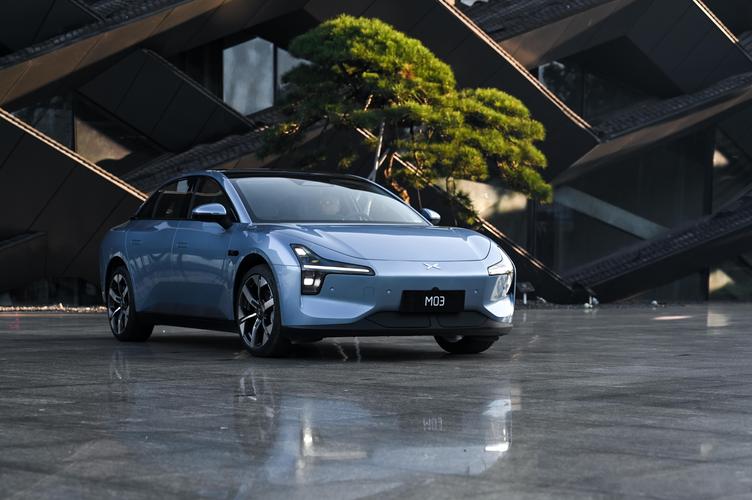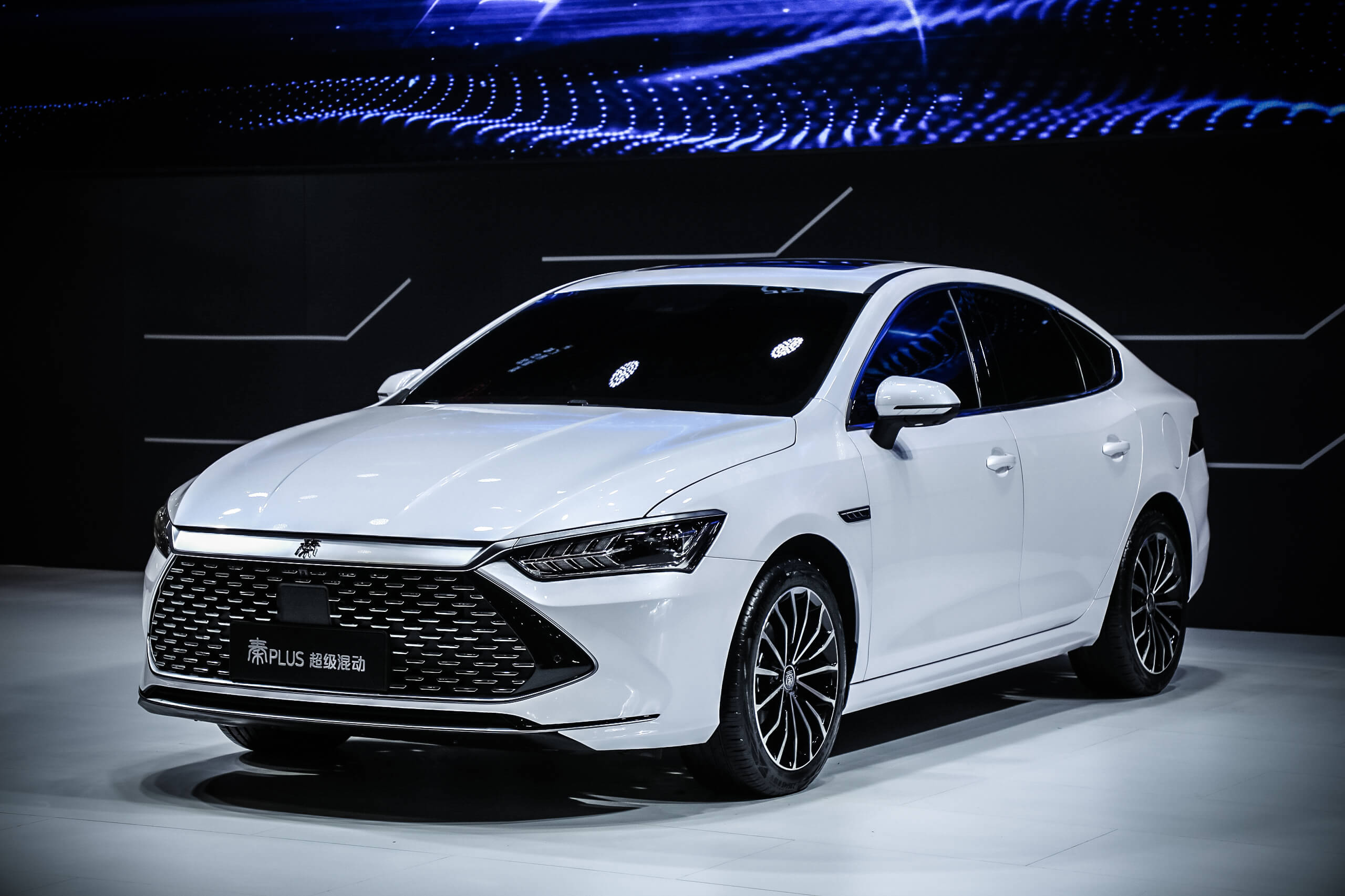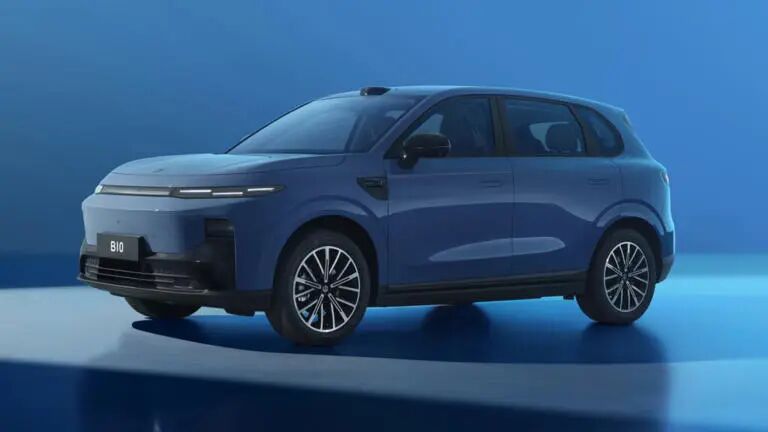
In recent years, Chinese new energy vehicles (NEVs) have rapidly emerged as powerful contenders in the global EV market, reshaping the balance of the international automotive industry. From Leapmotor’s B10 heading to Europe to BYD establishing a manufacturing base in Malaysia, China’s electric vehicle exports are accelerating at record speed. This global expansion highlights not only the strength of China’s EV technology and supply chain, but also the country’s growing influence in setting new standards for sustainability and innovation worldwide.
On August 25, Leapmotor announced that its global strategic model, the Leapmotor B10, had successfully embarked on its journey to Europe and was set to start deliveries in the European market in September. Just three days earlier, BYD revealed its plan to construct an assembly plant in Malaysia, which is expected to commence production in 2026. These two nearly simultaneous announcements serve as the latest footnotes to the wave of Chinese automakers going global.

Data shows that in the first seven months of this year, China exported 1.308 million NEVs, marking an 84.6% year-on-year increase. This has become a significant driving force for the growth of China’s foreign trade. The Chinese automotive industry is making a leap from being a “catcher-up” to a “rule-setter.”
Entering the Deep Waters of Global Expansion
Chinese automakers are now entering a new phase of global expansion, diving into the “deep waters.” In the past, automakers mainly relied on exporting complete vehicles. However, today, building overseas factories, exporting technology, laying out sales channels, and even engaging in capital operations have become crucial means for Chinese automakers to compete in the international market. This trend is not only driven by the need for sales expansion but also serves as an important strategy to deal with trade barriers, reduce transportation costs, and better meet local market demands.
Key Export Destinations
When it comes to export destinations, European countries such as Belgium, the UK, and Spain, ASEAN countries like the Philippines, and Latin American countries including Mexico and Brazil have emerged as the main markets for Chinese NEV exports. The European market, being the birthplace of the automotive industry, is known for its demanding consumers with high standards for vehicle quality. Yet, it has now become a highly contested battleground for Chinese brands.
BYD’s Remarkable Growth in Europe
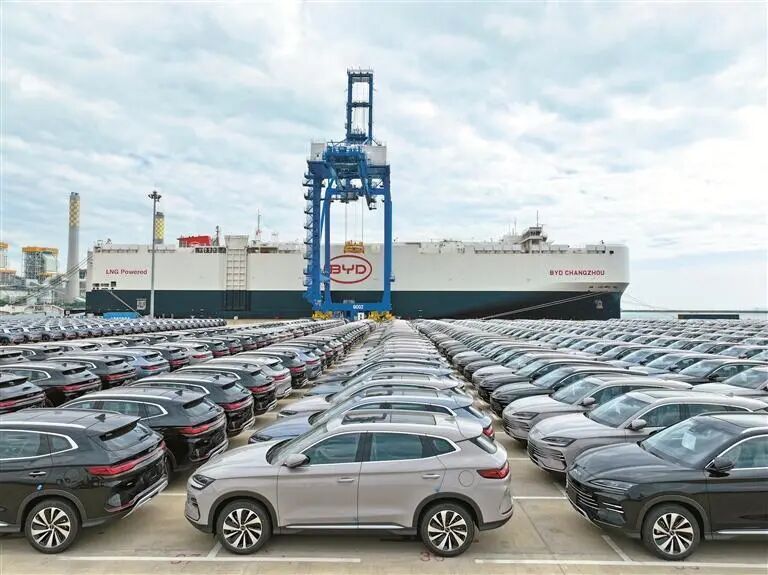
According to JATO data, by April 2025, BYD’s market share in the European NEV market had exceeded 6%. From selling just a thousand units annually in 2021 to registering nearly 60,000 units in 2024, and then approaching the total sales of the previous year with 55,000 units sold in the first four months of 2025, BYD has charted a steep upward growth trajectory, with a 60-fold increase.
The remarkable rise of Chinese new energy vehicles in the global EV market goes far beyond impressive sales figures — it reflects China’s growing leadership in innovation, green technology, and large-scale manufacturing. By delivering affordable yet high-quality electric vehicles that meet diverse regional needs, Chinese automakers are redefining what global consumers expect from modern mobility. As this transformation accelerates, China’s NEV industry is not only driving sustainable growth but also setting new benchmarks for the future of the international automotive market.