For years, China cars carried a reputation that focused more on price than performance. I now see a very different reality. Chinese automakers invest heavily in quality, safety, technology, and long-term ownership experience. Buyers no longer choose China cars only because they cost less. Many now compare them directly with Japanese and European brands based on real-world value.
In this guide, I take a practical, hands-on look at how China cars compare in build quality, materials, and manufacturing standards. I break down safety ratings, crash test performance, and battery safety for electric and hybrid models. I also examine long-term reliability, maintenance costs, resale value, and what ownership really looks like after the first year.
I go deeper into the technology that makes China cars competitive in 2026, from driver assistance systems to connected features and infotainment. I also cover after-sales support, warranty coverage, and parts availability, which often decide whether a car makes sense outside the showroom. Finally, I address common concerns, real owner feedback, and which types of drivers benefit most from choosing China cars.
This article focuses on facts, real ownership factors, and practical buying logic. If you want a clear answer to whether China cars deliver real quality, safety, and value, this guide gives you the full picture.
1、How the Quality of China Cars Compares With Japanese and European Brands
From a user standpoint, the quality differences between Chinese, Japanese, and European cars require a segment-by-segment analysis: Japanese gasoline vehicles lead with “durability barriers”—the Toyota Camry maintains over 60% residual value in the U.S. after three years, with routine maintenance costing just RMB 300 and a failure rate as low as 0.3%. The Honda Accord Hybrid achieves 5.3L/100km fuel efficiency, balancing power and economy exceptionally well. European vehicles dominate the “performance and safety high ground”—BMW boasts solid chassis tuning, while Volvo equips all models with active safety systems as standard, though their parts-to-vehicle-cost ratio reaches 600%, making headlight replacement cost half the car’s price.
In contrast, Chinese brands have achieved a “quality leap” in the new energy sector: The Lynk & Co FREE’s solid-state battery delivers 800km range with winter degradation under 10%. BYD’s “Divine Eye” intelligent driving system is now available in models priced around 70,000 yuan, handling highway NOA lane changes and parking with ease—offering unmatched value over joint-venture brands. However, Chinese automakers still face bottlenecks in the gasoline vehicle segment—some models suffer from engine oil leaks and infotainment system lag, with 3-year residual values 10-15 percentage points lower than Japanese brands. Risks can be mitigated by test-driving for chassis damping and checking third-party quality rankings.
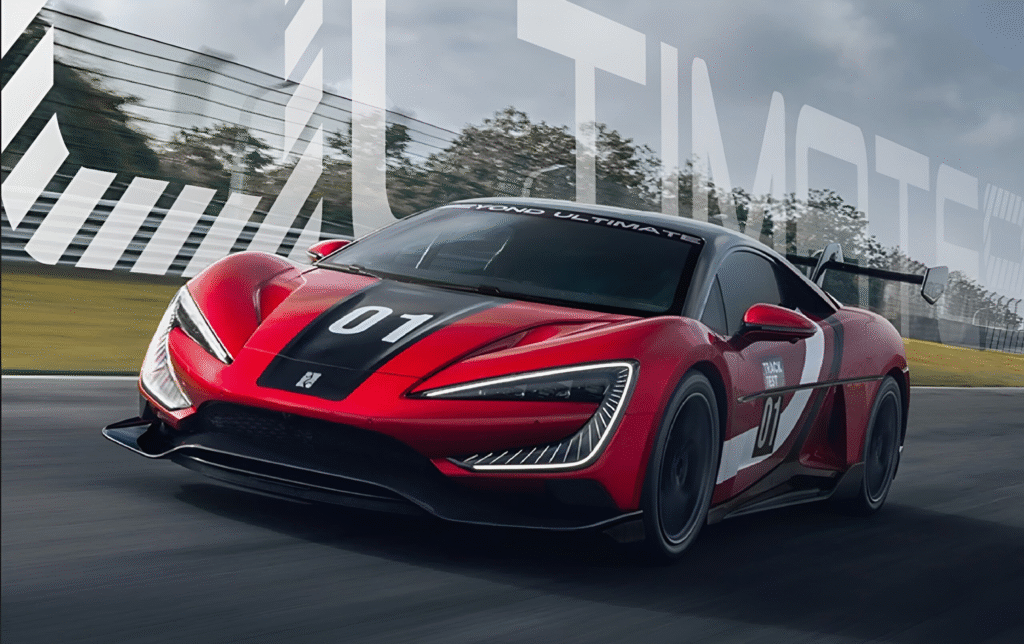
Specifically, the most critical “total cost of ownership” varies significantly: Japanese vehicles offer high residual value and affordable maintenance, ideal for long-term ownership; European models deliver strong performance but require costly upkeep, suited for well-funded buyers; Chinese new energy vehicles boast full-spec configurations at just 60% of European counterparts’ prices, though their after-sales networks need refinement—Toyota operates over 1,000 service centers in the U.S., while Chinese brands often rely on third-party partnerships.
For ultimate durability, choose Japanese gasoline vehicles; for performance and safety, opt for European models; and for embracing smart electrification, Chinese new energy vehicles now hold a dominant advantage—especially in the mainstream 150,000-300,000 yuan market. Chinese cars offer triple superiority in features, technology, and pricing, making them the cost-effective choice for overseas users experiencing “future mobility.” Chinese automakers are reshaping global quality standards through technological breakthroughs. Overseas consumers should make rational choices based on their specific needs to achieve the optimal mobility experience.
2、Safety Standards and Crash Test Performance of Modern China Cars
When purchasing a vehicle, safety is undoubtedly the top priority for consumers. China’s automotive safety standards have now aligned with international benchmarks. In both domestic and international safety tests, numerous Chinese models consistently achieve five-star ratings—examples include the BYD Atto 3 and NIO ET7. Their adult occupant protection scores rival those of European luxury vehicles, long since shedding the outdated perception of being “unsafe.”
Regarding safety features, most Chinese vehicles now come standard with automatic braking, lane-keeping assist, and blind-spot monitoring. Their bodies incorporate significant amounts of high-strength steel—particularly in electric vehicles, where over 80% utilize robust steel construction, achieving body rigidity comparable to premium European models.
Battery safety remains a concern, but Chinese automakers have developed solutions. CATL’s battery packs prevent fire propagation, while BYD’s blade batteries withstand needle penetration tests without ignition, addressing the fire risk associated with electric vehicle batteries. Users can now feel confident.
For consumers, Chinese vehicles offer safety performance comparable to Japanese and European models, yet at prices 20-30% lower. While after-sales service networks may not match Toyota or Volkswagen’s coverage, their crash test results and safety technologies have gained international recognition. For those seeking a safe and affordable vehicle, Chinese cars are now a solid choice.
3、Are China Cars Reliable? Long-Term Ownership and Durability Insights
When buying a Chinese car, the biggest concern is whether it can hold up to daily use. In practical terms, the reliability of Chinese brands falls into two categories: For gasoline vehicles, brands like Geely and Great Wall have matured engine technologies, and their failure rates have decreased over time. However, compared to Toyota and Honda, some older models may still experience minor issues like door rattles or engine oil leaks, requiring regular maintenance. For electric vehicles, battery lifespan is critical. Mainstream models now offer battery warranties exceeding eight years, with slower-than-expected degradation in real-world use. However, range shrinks in winter—a vehicle rated for 500 kilometers might only manage around 350 kilometers during colder months.
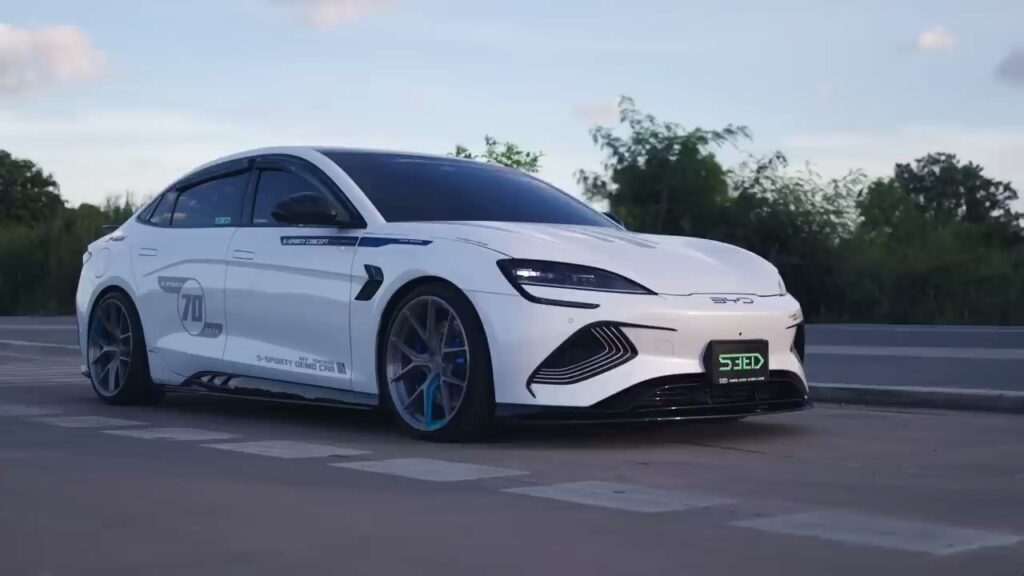
In terms of long-term durability, Chinese automakers have invested in materials and testing. For instance, increased use of high-strength steel in body construction enhances corrosion resistance, preventing rust-through even after five to six years of driving. However, electronic components in some early models may age prematurely. For instance, infotainment systems can become sluggish after two to three years, requiring upgrades or part replacements. Newer models, especially those exported to Europe, have undergone rigorous road condition testing—including endurance trials in high-temperature, sub-zero, and mountainous environments—and demonstrate significantly more stable performance than earlier iterations.
Regarding maintenance, users may worry about “repair hassles.” While Chinese brands are accelerating overseas factory construction, their service networks still lag behind Toyota and Volkswagen, sometimes requiring weeks for parts delivery. However, Chinese cars offer lower maintenance costs—routine servicing is 20-30% cheaper than European models—and affordable parts. For instance, replacing headlights might cost half as much as on European vehicles.
Overall, the reliability of Chinese vehicles is improving, particularly electric models, which demonstrate solid long-term performance. For gasoline-powered cars, selecting the right brand and model is crucial to avoid early-generation variants with known issues. Overseas buyers prioritizing value and new technologies should consider Chinese brands, but should thoroughly research local service networks beforehand to avoid repair complications.
4、The True Cost of Ownership: Pricing, Maintenance, and Resale Value of China Cars
When consumers purchase Chinese-made vehicles, the most immediate impression is that they are “getting a bargain.” For comparable models, such as compact SUVs, Chinese vehicles typically carry overseas price tags 15%-25% lower than their European and Japanese counterparts. For those on a budget, Chinese cars offer similar specifications at a lower price point, delivering clear value for money.
Daily maintenance costs are also lower. Routine services like oil and filter changes cost about one-third less for Chinese cars than European models, and parts are more affordable—replacing a front bumper, for instance, might cost only half as much as for a European car. However, overseas service networks are less extensive than those for Toyota or Volkswagen, and waiting for parts could take weeks, a factor requiring advance consideration.
Resale value is crucial. While Chinese vehicles historically lagged behind Japanese and European brands in residual value, this has improved in recent years. Gasoline models retain around 60% of their value after three years, approaching some Japanese counterparts. Electric vehicles experience greater residual value fluctuations due to rapid technological advancements, but popular models typically incur less depreciation than European EVs when resold. Overall, Chinese vehicles offer “affordable purchase and economical ownership,” making them suitable for budget-conscious buyers planning to drive for several years before upgrading.
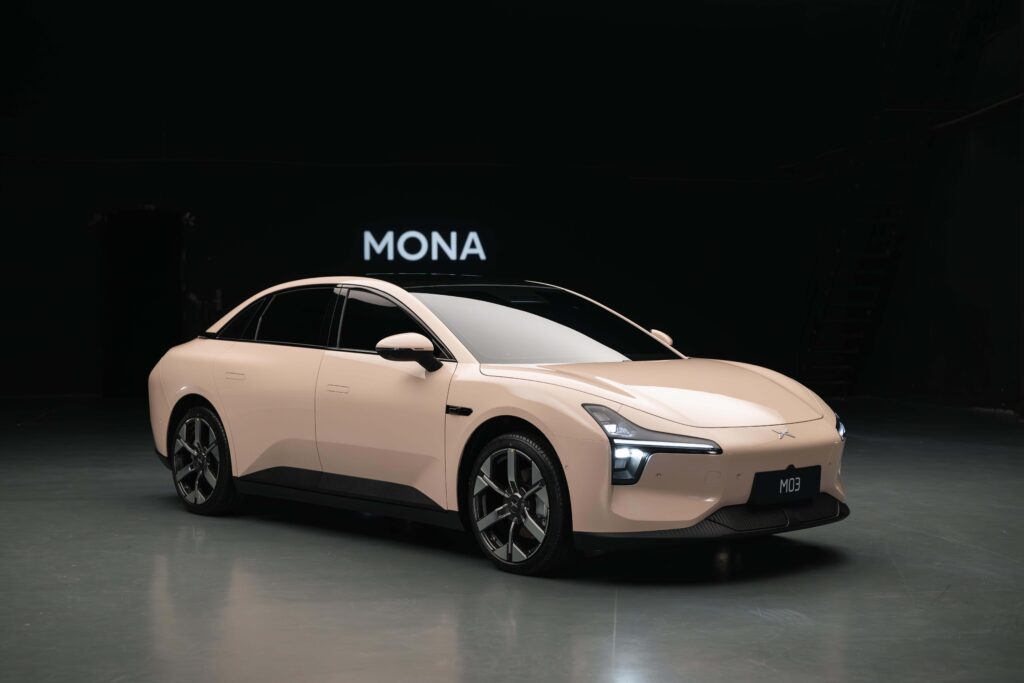
5、Technology and Features That Make China Cars Competitive in 2026
The most striking features of China’s automotive industry in 2026 lie in “intelligent equality” and the “range revolution.” For overseas users, the most tangible change is that advanced intelligent driving systems are no longer exclusive to million-dollar luxury vehicles. Chinese brands have now brought urban NOA (Navigation-based Online Assisted Driving) to models priced around 100,000 yuan. Features like highway lane changes, overtaking, and fully automated parking are standard. Even door handles are reverting to traditional mechanical designs, as lidar and sensors can now be seamlessly integrated into body styling. Such intelligent experiences are rarely found in similarly priced European or American vehicles.
In core powertrain technology, Chinese vehicles have resolved “range anxiety.” 800V high-voltage fast charging has become mainstream, delivering 400 kilometers of range after just 10 minutes of charging. Semi-solid-state batteries are entering small-scale production with energy densities exceeding 500 Wh/kg, significantly reducing winter range shrinkage. Crucially, these technologies aren’t confined to laboratories—they’ve achieved mass production and proven reliability through market validation.
For value-conscious consumers, Chinese vehicles offer compelling choices. With comparable features and performance, Chinese brands often cost only 60%-70% of European counterparts. As exports surpass 8 million units, overseas service networks are rapidly expanding. While repair wait times may be slightly longer than Toyota or Volkswagen, extremely low maintenance costs and abundant smart features have transformed “Made in China” from a synonym for ‘cheap’ to one for “high value.”
Frequently Asked Questions About China Cars
1) Are China cars reliable?
Yes, many modern China cars show solid reliability, especially electric and hybrid models. I see fewer mechanical issues in newer platforms compared to older generations. Reliability still varies by brand and model, so buyers should research specific vehicles rather than generalizing all China cars.
2) Are China cars safe to drive?
China cars meet international safety standards in many markets. Several models achieve high crash test ratings and include advanced driver assistance systems as standard features. Safety performance depends on the model, but modern China cars no longer lag behind global competitors in most cases.
3) Why are China cars cheaper than Japanese or European cars?
China cars cost less because manufacturers control supply chains, reduce production costs, and scale production efficiently. Chinese brands also prioritize value-focused pricing to gain market share. Lower prices do not always mean lower quality.
4) Do China cars last long?
Many China cars last well beyond 150,000–250,000 kilometers with proper maintenance. Electric models often show even better durability due to simpler powertrains. Long-term durability still depends on driving habits, servicing, and model quality.
5) Are spare parts for China cars easy to find?
Parts availability varies by region. In markets with established dealer networks, parts are easy to source. In newer markets, buyers should confirm service support before purchasing. Online parts platforms also improve accessibility.
6) Do China cars have good resale value?
Resale value remains lower than Japanese brands in many regions. However, the gap continues to shrink as brand recognition improves. Buyers who plan long-term ownership benefit most from China cars.
7) Are China electric cars better than Tesla or other global brands?
China electric cars compete strongly in battery technology, pricing, and features. Some models rival global brands in range and technology, while others focus on affordability. Tesla still leads in software ecosystem and brand perception, but China cars offer better value for money in many cases.
8) Are China cars good for first-time buyers?
Yes, China cars suit first-time buyers who want modern features, low costs, and strong warranties. Many models offer high equipment levels at competitive prices, which reduces financial risk for new owners.
9) What are the biggest disadvantages of China cars?
Common drawbacks include lower resale value, uneven brand reputation, and limited service networks in some countries. Some models also show minor software issues. Buyers should weigh these factors against price and features.
10) Which China car brands are the most trustworthy?
Brands like BYD, Geely, Chery, SAIC (MG), and Great Wall Motor show strong global performance and improving quality. Premium EV brands like NIO and XPeng attract tech-focused buyers. Trustworthiness depends on model maturity and local support.
Thinking about buying a China car?
Compare real models, ownership costs, and safety data before you decide. I regularly break down China cars with clear pros, cons, and buyer-ready insights—bookmark this blog and make your next car choice with confidence.
To answer whether China cars are worth buying, I focus on real ownership factors rather than old assumptions. Modern China cars deliver competitive build quality, strong safety performance, advanced technology, and clear value for money, especially in electric and hybrid segments. I see some remaining drawbacks, such as resale value and uneven service coverage in certain markets, but these issues no longer define the category. For buyers who prioritize technology, cost efficiency, and long-term ownership, China cars make practical sense today. A smart purchase depends on choosing the right model, understanding local support, and matching the car to personal driving needs—not on where the badge comes from.